




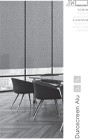





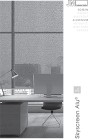






Screen Fabrics Guide for Solar Control and Daylight Management
Screen roller blind fabrics have become one of the most widely specified shading solutions in modern commercial buildings. Designed to balance solar control, glare reduction and daylight utilisation, screen fabrics help create comfortable, productive internal environments while maintaining outward views and visual connectivity with the external environment.
For architects, specifiers and commercial blind manufacturers, selecting the correct screen fabric involves far more than choosing a colour or openness factor. Fabric performance can directly influence occupant comfort, visual wellbeing, energy consumption and overall building performance.
This guide explains how screen fabrics work, the performance metrics that matter most and the key factors that should be considered when specifying screen fabrics for commercial projects.
What Are Screen Fabrics?
Screen fabrics are technical textiles engineered with a controlled openness structure that allows a proportion of natural daylight and external visibility while reducing solar glare and helping manage solar heat gain.
Unlike blackout fabrics, which are designed to prevent light transmission, screen fabrics intentionally permit carefully controlled levels of light into a space. This balance enables occupants to benefit from natural daylight while maintaining visual comfort.
Screen fabrics are commonly manufactured from PVC-coated polyester, fiberglass core yarns or advanced technical textile constructions developed specifically for commercial solar shading applications.
Why Screen Fabrics Are Widely Specified
Contemporary commercial architecture frequently incorporates extensive glazing, curtain walling and large façade systems to maximise daylight and improve occupant wellbeing. While these designs provide numerous benefits, they can also introduce challenges relating to glare, overheating and visual discomfort.
Screen fabrics provide an effective solution by helping control excessive sunlight without completely blocking daylight or external views.
This combination of performance characteristics makes screen fabrics particularly suitable for offices, schools, universities, healthcare facilities, public buildings and hospitality environments.
How Screen Fabrics Work
The performance of a screen fabric is largely determined by its openness factor. This refers to the percentage of open area within the fabric construction.
The openness factor directly influences:
- Solar glare reduction
- Daylight penetration
- External visibility
- Solar heat gain control
- Occupant comfort
As openness increases, daylight transmission and external visibility typically increase. As openness decreases, solar control performance and glare reduction generally improve.
Understanding Openness Factors
1% Openness Fabrics
Screen fabrics with a 1% openness factor provide the highest levels of glare management within typical screen fabric constructions.
They are frequently specified where visual comfort is critical and where computer use is extensive throughout the day.
Typical applications include:
- Commercial offices
- Control rooms
- Education facilities
- Healthcare buildings
- Digital display environments
3% Openness Fabrics
3% openness fabrics are often considered the industry benchmark for balancing solar control, daylight management and outward visibility.
They provide strong glare management while maintaining a meaningful visual connection with the external environment.
This openness level is commonly specified across a broad range of commercial projects.
5% Openness Fabrics
5% openness fabrics allow greater daylight penetration and enhanced outward views.
They are frequently selected where preserving exterior views is a higher priority and moderate glare control is acceptable.
Examples include:
- Executive offices
- Reception areas
- Hospitality environments
- Public buildings
- Communal spaces
Solar Glare Control
One of the primary reasons for specifying screen fabrics is the management of solar glare.
Glare occurs when excessive brightness creates discomfort or makes visual tasks difficult. It can negatively affect workplace productivity, educational performance and user satisfaction.
Screen fabrics diffuse incoming sunlight and reduce excessive brightness levels, helping create more comfortable internal environments throughout the day.
This is particularly important in buildings where occupants spend significant periods of time working on computers, interactive displays or presentation equipment.
Daylight Management
Natural daylight remains one of the most valuable resources available within a building. Effective daylight management can contribute to increased occupant wellbeing, reduced reliance on artificial lighting and improved overall user experience.
Screen fabrics enable daylight to enter a space in a controlled manner, reducing the need for occupants to completely darken spaces when solar conditions become challenging.
This provides a more balanced approach compared to blackout solutions in environments where external visibility and daylight access remain important.
Visible Light Transmission Explained
Visible Light Transmission (VLT) refers to the proportion of visible light that passes through a fabric.
Different screen fabrics offer differing VLT values depending upon yarn composition, colour, openness factor and fabric construction.
Lower VLT values generally provide greater glare control, while higher values allow increased daylight penetration.
Understanding VLT can help specifiers match fabric performance to project objectives and occupant requirements.
The Importance of Fabric Colour
Fabric colour significantly influences visual and solar performance.
Darker Screen Fabrics
- Improved outward visibility
- Enhanced view-through performance
- Reduced internal reflections
- Contemporary aesthetic appeal
Lighter Screen Fabrics
- Higher visible light reflection
- Potentially improved solar performance
- Brighter internal appearance
- Greater daylight diffusion
The optimum choice depends upon project objectives, building orientation and interior design considerations.
Solar Heat Gain Control
Screen fabrics can play an important role in reducing solar heat gain within commercial buildings.
By managing the amount of solar radiation entering a space, screen fabrics help reduce overheating risks and contribute to improved occupant comfort.
This can be particularly valuable within highly glazed buildings where solar exposure varies throughout the day and throughout the year.
Building Orientation Considerations
The orientation of a building should always influence screen fabric selection.
South-Facing Façades
Often experience prolonged solar exposure and may benefit from lower openness factors and enhanced solar control performance.
East-Facing Façades
Typically experience intense morning sunlight and may require strong glare management during early working hours.
West-Facing Façades
Can be particularly challenging due to low-angle afternoon sun, often requiring careful consideration of openness factor and solar performance.
North-Facing Façades
Generally receive more diffuse daylight and may allow greater emphasis on visibility and daylight utilisation.
Screen Fabrics for Office Environments
Office projects remain one of the most common applications for screen fabrics.
Modern workplaces rely heavily on screen-based activities, making visual comfort a key design consideration. Effective solar control can support employee wellbeing while creating more productive work environments.
Screen fabrics help reduce glare without isolating occupants from external views, supporting both comfort and connection to the outside environment.
Screen Fabrics for Educational Buildings
Educational spaces require adaptable daylight management solutions capable of supporting multiple teaching methods.
Screen fabrics allow educational facilities to maintain useful levels of natural daylight while reducing visual discomfort during presentations and screen-based learning activities.
Screen Fabrics for Healthcare Settings
Healthcare buildings often require a balance between daylight access, occupant wellbeing and visual comfort.
Screen fabrics help support therapeutic environments by reducing excessive brightness while maintaining daylight penetration and external awareness.
Screen Fabrics and Sustainability
Many screen fabrics now incorporate recycled content, responsible manufacturing processes and environmental certifications that support sustainability objectives.
By helping reduce reliance on artificial lighting and supporting building energy efficiency strategies, screen fabrics can contribute to wider environmental goals and ESG targets.
Common Specification Mistakes
- Selecting fabrics based solely on appearance
- Ignoring openness factor requirements
- Not considering façade orientation
- Failing to evaluate solar performance data
- Overlooking visible light transmission values
- Assuming all screen fabrics deliver identical performance
- Not considering occupant needs
- Ignoring sustainability objectives
Key Specification Checklist
- Openness factor
- Solar transmittance
- Solar reflectance
- Visible light transmission
- Visible light reflectance
- Building orientation
- Glazing specification
- Occupant requirements
- Fire performance standards
- Sustainability credentials
Explore JM Techtex Screen Fabric Collections
JM Techtex offers a comprehensive portfolio of screen roller blind fabrics developed for commercial solar shading applications. Collections are available across a range of openness factors, colours and performance levels to support solar control, glare management and daylight optimisation requirements.
Explore fabric families including Opera, Tecno Screen, Sahara, Vento, Rialto Alu, Opera Alu and Skyscreen Alu to identify the most suitable solution for your next commercial specification project.