




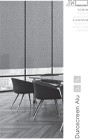







Blackout blind fabrics play a critical role in commercial building design where light exclusion, occupant comfort, privacy and operational performance are required. Unlike standard dim-out materials, true blackout fabrics are engineered to prevent light transmission through the textile, helping create controlled internal environments across a wide range of sectors including education, healthcare, hospitality and residential developments.
For architects and specifiers, selecting the appropriate blackout fabric requires consideration of much more than colour and appearance. Light control requirements, fire performance, sustainability credentials, maintenance expectations and compatibility with glazing systems should all form part of the specification process.
What Is a Blackout Fabric?
A blackout fabric is a technical textile designed to significantly reduce or eliminate light transmission through the material. This is typically achieved through specialist coatings or multi-layer fabric constructions that prevent sunlight from penetrating the blind system.
When combined with appropriate blind hardware and installation methods, blackout fabrics help create darker environments that support comfort, privacy and building functionality.
Why Blackout Performance Matters
In many commercial environments, uncontrolled daylight can interfere with building operations, occupant wellbeing and visual comfort. Projection equipment, digital displays, clinical environments and sleeping accommodation all benefit from effective daylight control.
Blackout fabrics provide a practical and cost-effective solution that enhances building usability without sacrificing aesthetics or system reliability.
Blackout Fabrics for Education Facilities
Modern educational buildings increasingly rely upon digital displays, interactive screens and projection equipment. Excessive daylight and glare can significantly reduce screen visibility and affect learning outcomes.
Blackout roller blind fabrics allow lecture theatres, classrooms, media rooms and training facilities to achieve optimum presentation conditions while maintaining flexibility throughout the day.
Key educational applications include:
- Classrooms
- Lecture theatres
- Science laboratories
- Media suites
- Training centres
- Presentation spaces
Blackout Fabrics for Healthcare Environments
Patient wellbeing remains a primary consideration within healthcare design. Restful environments can contribute to patient comfort and recovery, particularly within wards, treatment rooms and overnight accommodation.
Blackout fabrics help manage daylight, enhance privacy and support controlled lighting environments required within various healthcare settings.
Healthcare specifiers should also consider fabric cleanability, durability, flame retardancy and antimicrobial performance where applicable.
Blackout Fabrics for Hospitality Projects
Hotels, serviced apartments and hospitality developments rely heavily on occupant comfort and sleep quality. Effective blackout performance enables guests to control natural light levels regardless of external conditions.
Premium blackout systems can become an important component of customer satisfaction by supporting restful sleeping environments and improving user experience.
Blackout Fabrics for Residential Developments
Residential schemes continue to incorporate larger glazed areas and floor-to-ceiling windows. While these maximise natural daylight, they can also create challenges relating to privacy, comfort and sleeping conditions.
Blackout fabrics provide an effective solution for bedrooms, media rooms and private living spaces where greater control of daylight is required.
Understanding Fabric Colour and Performance
Many specifiers assume darker colours automatically provide superior blackout performance. In reality, blackout performance is primarily determined by the fabric construction and coating technology rather than face colour.
This allows designers to select colours that complement interior schemes while maintaining effective light exclusion.
Fire Performance Requirements
Commercial blind fabrics should be specified with consideration for applicable fire safety regulations and project requirements. Compliance with recognised flame-retardant standards is often essential within education, healthcare, hospitality and public buildings.
Specification teams should always verify current performance classifications during project design and procurement stages.
Sustainability Considerations
Environmental performance is increasingly influencing fabric selection decisions. Many modern blackout fabrics incorporate recycled content, responsible manufacturing processes and sustainable design principles without compromising technical performance.
For projects targeting environmental certifications and ESG objectives, sustainable blackout fabric collections can contribute to broader project goals.
Common Blackout Fabric Specification Mistakes
- Selecting fabrics based solely on colour samples
- Ignoring glazing orientation and solar exposure
- Overlooking fire performance requirements
- Failing to consider maintenance requirements
- Not evaluating sustainability credentials
- Assuming all blackout fabrics perform equally
Selecting the Right Blackout Fabric
The optimum blackout fabric will depend on building type, user requirements, sustainability objectives, visual appearance and performance expectations.
Specifiers should evaluate technical data alongside project-specific requirements to ensure the selected textile delivers long-term performance and occupant satisfaction.
Explore JM Techtex Blackout Fabric Ranges
JM Techtex offers a comprehensive portfolio of blackout blind fabrics developed for commercial specification. Collections include standard blackout solutions, healthcare-focused textiles, metallised blackout fabrics and sustainable upcycled alternatives designed to support modern building performance requirements.